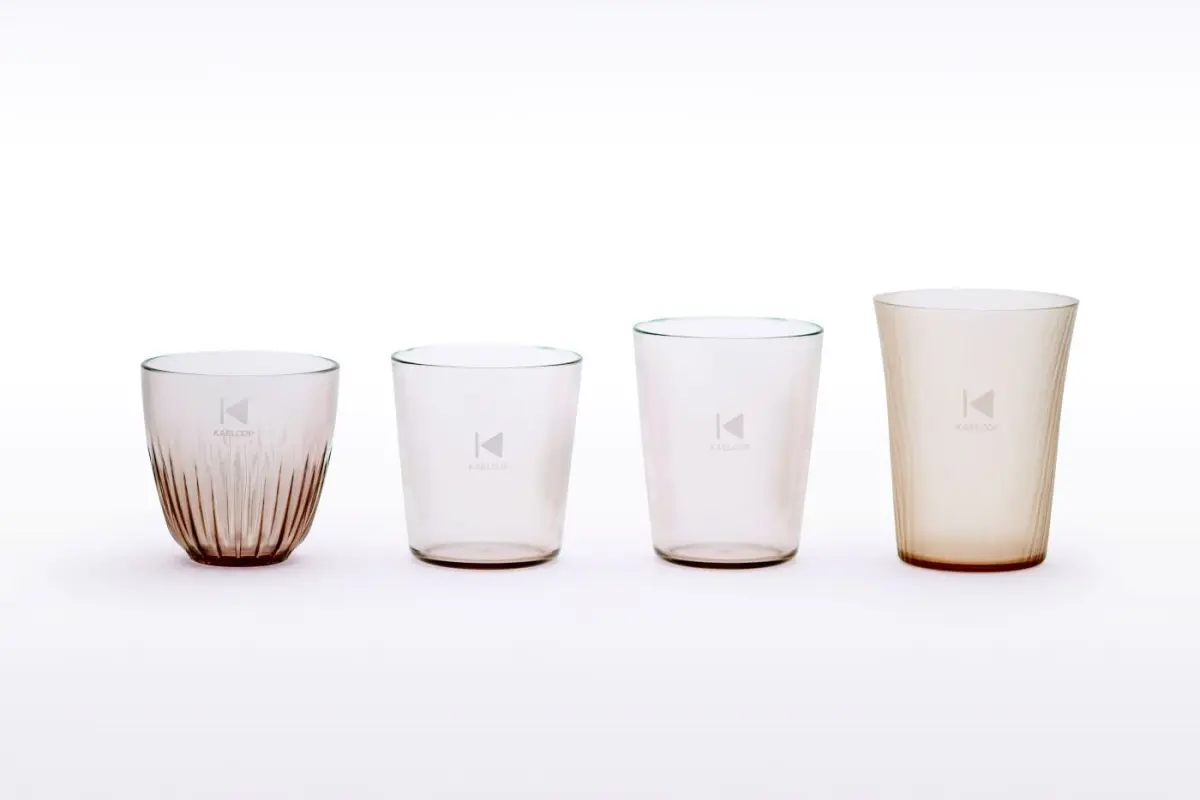
TOKYO – Asahi YOU.US, a sustainability-focused subsidiary of the Asahi Group, has announced the launch of “KAELOOP,” a new tableware brand made from 100% marine-biodegradable biomass plastic. According to the Japan BioPlastics Association (JBPA), KAELOOP is the first tableware product in Japan to receive its Marine Biodegradable Biomass Plastic certification.
As the inaugural products under the KAELOOP brand, four types of reusable tumblers were released on October 2, 2025, via the company’s official e-commerce platform.
The launch comes amid intensifying global concern over marine plastic pollution and a growing regulatory push in Japan to reduce conventional plastic waste. Measures such as the Act on Promotion of Resource Circulation for Plastics, enacted in 2022, have accelerated the shift away from single-use plastics across sectors including hospitality and retail—creating demand for materials that can perform in real-world use while minimizing environmental impact.
Material Innovation: Cellulose Acetate Resin
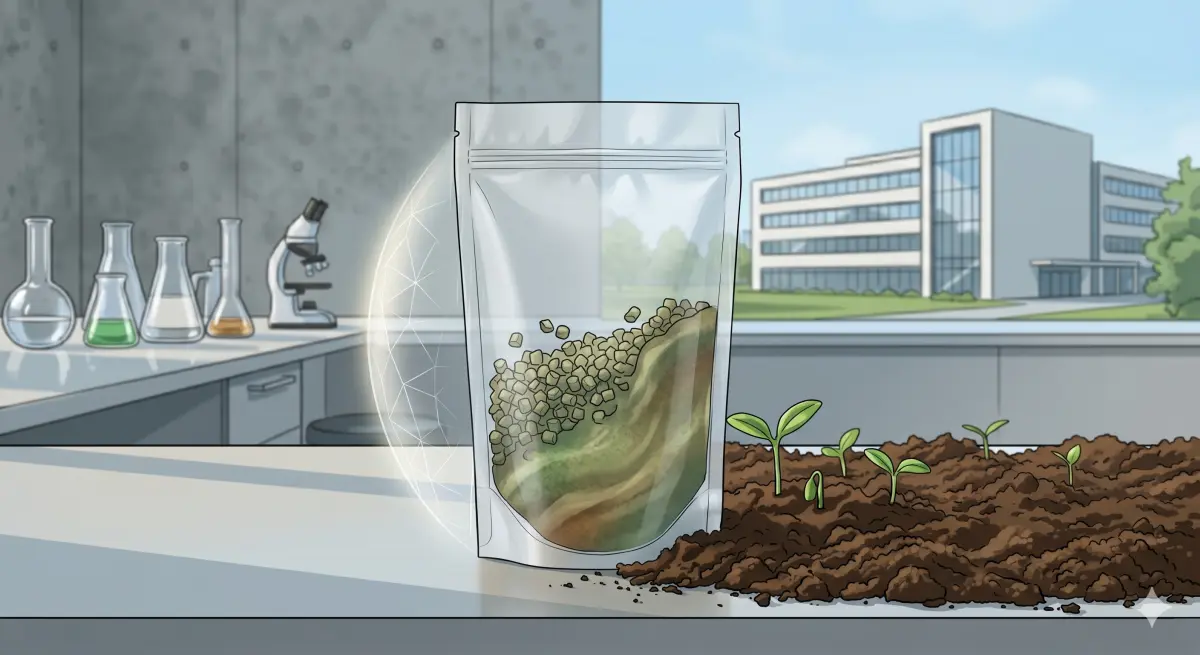
The core innovation of the KAELOOP tumblers lies in their material selection: cellulose acetate resin, a biomass plastic derived from plant-based cellulose and acetic acid. Unlike many biodegradable plastics that require industrial composting conditions, cellulose acetate is designed to biodegrade in natural environments, including marine settings, through the activity of microorganisms.
The brand name “KAELOOP” combines kaeru—the Japanese word meaning “to return”—with “loop,” symbolizing a circular economy in which materials are returned to natural cycles after use.
Material Focus: Why Cellulose Acetate Resin?
For engineers and materials specialists, KAELOOP represents a practical application of cellulose acetate as a marine-suitable biodegradable polymer.
1. Structure and Raw Materials: A Hybrid of Plants and Acetic Acid
Cellulose acetate is a semi-synthetic polymer produced by reacting cellulose, a natural polymer found in wood pulp and cotton, with acetic acid through a process known as acetylation. While natural cellulose is not melt-processable, the introduction of acetyl groups imparts thermoplastic properties, enabling mass production using conventional plastic processing methods such as injection molding and extrusion.
2. Mechanism of Marine Biodegradability
Many widely used biodegradable plastics, such as polylactic acid (PLA), require high temperatures and controlled humidity to decompose, limiting their effectiveness in marine environments. Cellulose acetate, by contrast, can degrade in water and soil through a
two-step process:
- Step 1: Hydrolysis and Enzymatic Decomposition
Enzymes secreted by aquatic microorganisms promote deacetylation, removing acetyl groups and converting the material back into cellulose and acetic acid. - Step 2: Microbial Biodegradation
The remaining cellulose is metabolized by microorganisms as a nutrient source and, over time under verified marine conditions, is broken down into water and carbon dioxide.
The JBPA certification awarded to KAELOOP verifies a specific biodegradation rate under actual seawater conditions, providing quantitative evidence for engineers and product designers working toward nature-positive material cycles.
Product Applications and Market Availability
Despite being biodegradable, the KAELOOP tumblers are designed for durability. They are shatter-resistant and suitable for repeated use, making them appropriate for outdoor festivals, seaside events, and use by children. The cups are available in four sizes and are being marketed to both individual consumers and food service operators seeking alternatives to conventional plastic drinkware.
“We aim to address marine plastic pollution by offering cups that, if they enter the ocean, can be broken down by microorganisms and eventually return to nature,” said a representative of Asahi YOU.US. “At the same time, we wanted to ensure the products meet the performance requirements expected in everyday use.”
Company Background and Future Outlook
Established in 2022 within the Asahi Group, Asahi YOU.US, Ltd. focuses on developing sustainable business models and materials-driven solutions. The company has previously introduced initiatives such as the Forest Tumbler and the Coffeeloop project, which
upcycles spent coffee grounds into new products.
With KAELOOP, Asahi YOU.US plans to expand beyond tumblers into additional tableware and product categories, continuing its mission to help create what it describes as a “comfortable future” through practical, scalable sustainable innovation.