Bioplastics: Turning plants into product
Global brands are trying to reconcile demands to “go green” with the need for durable and affordable materials.
24/08/2025
By Web Editorial Team
3min read

Public Beta

Global brands are trying to reconcile demands to “go green” with the need for durable and affordable materials.
24/08/2025
By Web Editorial Team
3min read
Global brands are trying to reconcile demands to “go green” with the need for durable and affordable materials.
Let’s dive into how they are effectively using eco-conscience materials while meeting their bottom line.
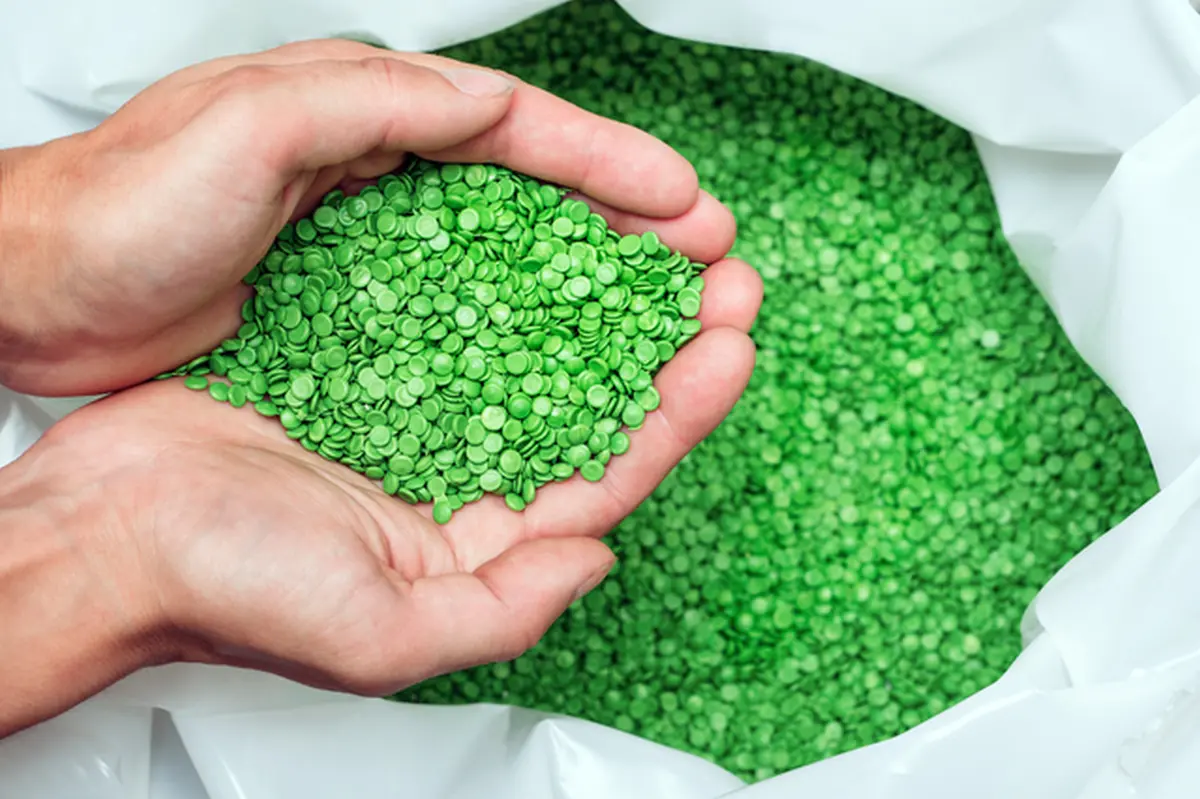
Companies worldwide are embracing sustainability as part of their corporate responsibility, driving efforts to replace petroleum-based products. In response, bioplastics plastic produced with plant-based biomass materials like corn or sugarcane — have emerged.
Bioplastics are categorized by their initial composition in one of three ways: biodegradable, compostable or recyclable.
Although bioplastics offer a green alternative to traditional plastics, they do have limitations. Not all bioplastics are inherently biodegradable and may require specialty composting or recycling at the end of their life. Additionally, it’s been found they compete with food crops during the growing and harvesting process.
To eliminate these issues, full-cycle bioplastics have gained popularity. Using agriculture waste or natural bacteria as a source, this eco-friendly material is designed to leave a minimal carbon footprint with no trace of pollution.
There is still a long way to go when it comes to bioplastics. According to AZO Materials, “In 2019, global production of biobased polymers was 3.8 million Tonnes. This represented 1% of the total plastic production for that year, with the remaining 99% being made up of petrochemical-based polymer materials.”
The process for manufacturing bioplastics depends on the type being produced but generally involves the following steps:
Like their traditional counterparts, bioplastics do generate industrial emissions. Eliminating fossil fuels reduces greenhouse gas emissions, but renewable energy must be used during production and account for circularity to make a significant environmental impact.
Manufacturers actively researching ways to reduce their carbon footprint have found earth friendly options, like cellulose nanofiber or CNF, to be viable. CNF has unique mechanical and thermal properties that match (or exceed) traditional materials. This nano-sized (one billionth of a meter or 10⁻⁹ m) material is lightweight, flexible, high-strength, and made from plant-based cellulose. CNF is now used in countless industries, including packaging, surgical implants, electronics and construction.
The fashion industry is one of the biggest areas of growth for eco-materials. Savvy shoppers interested in replacing fast fashion — a significant contributor to environmental waste and microplastic pollution — with sustainable options are looking to biodegradable fabric for answers. Global brands like H&M, Adidas and Stella McCartney are turning to organic cotton, bamboo, linen and hemp to replace synthetic fabrics.
It's believed that eco-materials, like cellulose nanofiber and biodegradable fabric, will play a critical role in becoming carbon neutral.
Although the terms carbon neutrality, net zero and decarbonization are frequently used interchangeably, they each have a unique meaning.
Ken Gillingham, Associate Professor of Economics at Yale University, defines carbon neutrality as, “Any actions that lead to emissions would be accompanied by other actions that confidently reduce – or offset – emissions.”
So, what is carbon neutrality vs net zero? And how does decarbonization fit in? As pointed out above, being carbon neutral means striking a balance, while net zero aims to reduce all greenhouse gases by slashing them at the source. However, decarbonization is the process or actions taken to achieve carbon neutrality and net zero.
Decarbonization solutions include electrification, clean energy sources, policy changes and regulations. The carbon tax is one of the most popular options designed to encourage manufacturers toward greener materials. These fees apply to coal, oil, and natural gas based on carbon content. They raise the prices of fossil fuel-based product production and aim to cut demand and reduce CO2 emissions.
Becoming carbon neutral will require a coordinated effort by companies, manufacturers, and governments. Together, they must adopt renewable energy sources that reduce greenhouse gases, institute industrial decarbonization and reduce dependence on fossil fuel-based materials.
Continued research and advancements in bioplastics will fuel its rapid growth, making them readily available for mass production.



27/08/2026
By Web Editorial Team
6min read

26/07/2026
By Web Editorial Team
2min read

12/07/2026
By Web Editorial Team
2min read
05/07/2026
By Web Editorial Team
2min read

Copyright© 2026 PlaBase. All Rights Reserved.