From Kitchen Scraps to Plastic: Home AI 3D Printing
Turning household food waste into usable plastic products via AI-assisted 3D printing. Backed by the MIT IDEAS program, the FOODres.AI Printer pulverizes organic kitchen scraps with mixing blades, then compounds them with natural additives into a bioplastic ink.
Researchers at the Massachusetts Institute of Technology (MIT) have developed a groundbreaking, AI-assisted 3D printer that turns household food waste into plastic products such as cup holders, coasters, decorations, and custom designs. Known as the FOODres.AI Printer, this device lets even first-time users easily create useful products at home, offering an eco-friendly way to reduce food waste. The researchers envision accelerating food-waste reduction in real time and making recycling more creative and fun.
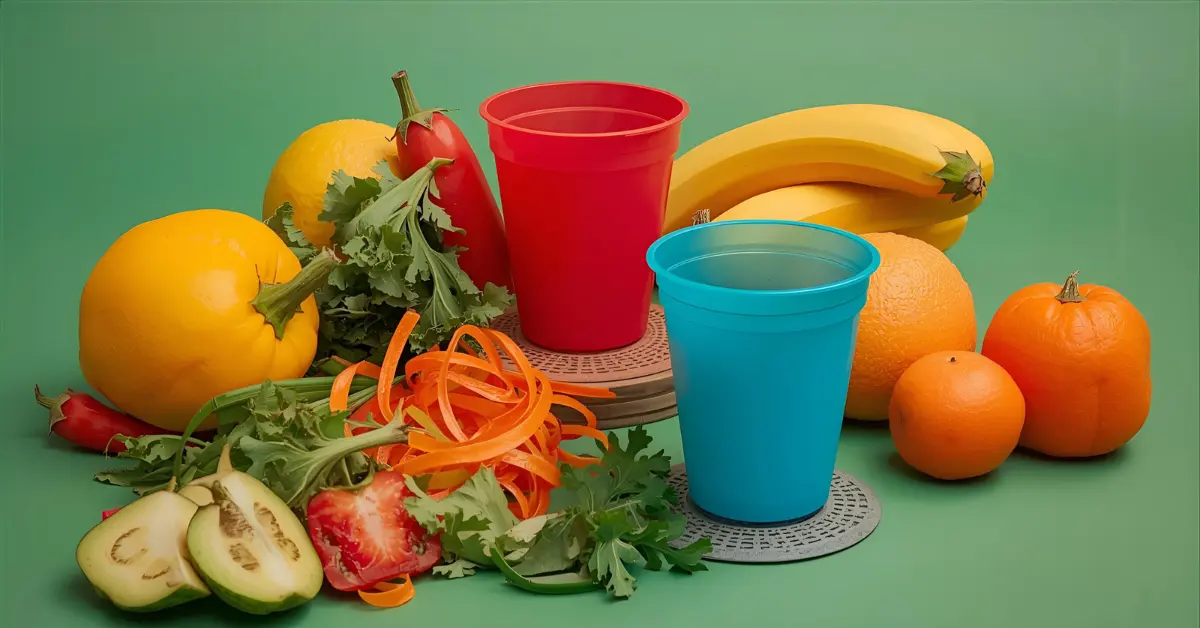
The scale of household food waste highlights the urgency of new solutions. In the United States, about 40–50% of food in households is discarded, generating approximately 170 million metric tons of carbon-dioxide emissions annually and compounding environmental challenges. By providing a way to reuse discarded food, the new printer offers a practical household-level intervention. It can use inedible food waste—such as vegetable peels, fruit rinds, and eggshells—as feedstock, creating a sustainable DIY opportunity for households and a compelling, locally grounded approach to the food-waste problem. The printer has received prestigious honors, including an iF Design Award 2025 (Winner) and an A’ Design Award 2024–2025 (Platinum).
Designed with accessibility and user-friendliness at its core, the printer fits into a compact form factor—under 0.5 m footprint with up to 0.66 m height—making it suitable for home use while accommodating a wide range of household food-waste types. No technical expertise is required; a dedicated smartphone app uses AI-powered image recognition to identify the type of food waste, assess its suitability for printing, and suggest printable designs. Users simply select the desired shape and size, load the food waste into the printer, and the device prints the object accordingly.
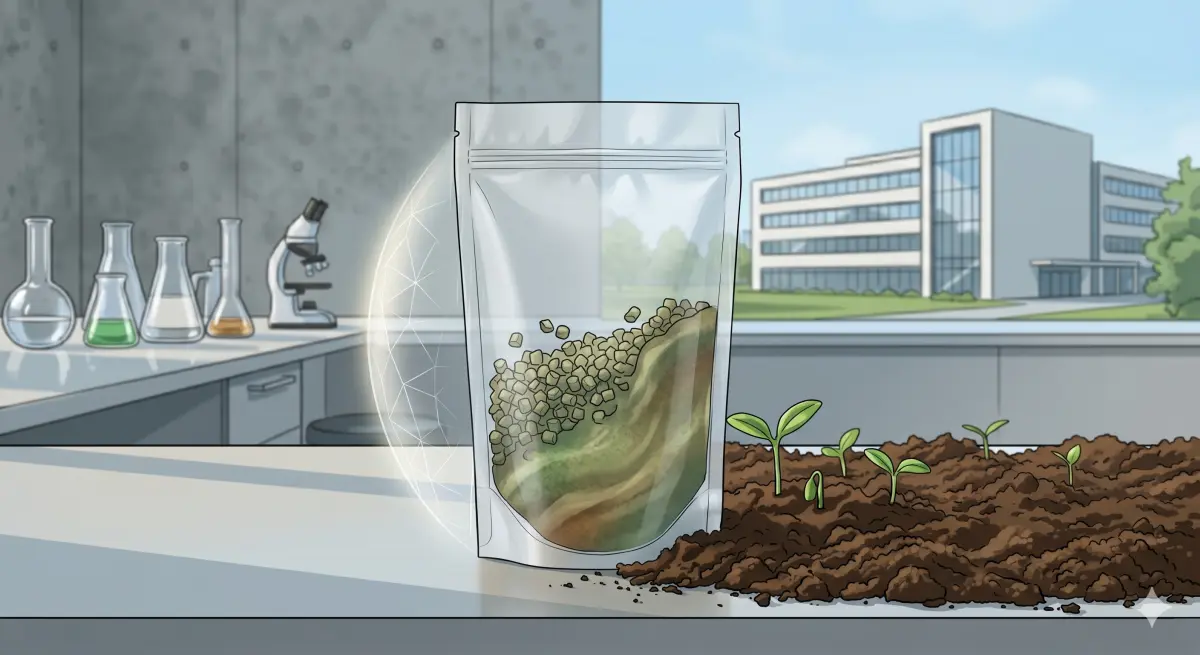
The underlying process combines science and creativity to transform food waste into useful products. Inside the 3D printer, the waste is ground using mixing blades and combined with natural additives to form a bioplastic “ink.” The material is then heated and extruded along three axes to build the final 3D-printed object precisely as specified in the app. Depending on the ingredients, the process allows customization of color and texture, enabling a truly personalized DIY experience.
By merging artificial intelligence, design innovation, and environmental responsibility, the FOODres.AI Printer shows how advanced technology can reshape the future of recycling. It not only reduces household waste but also empowers individuals to engage in sustainability from their own kitchens. Through its user-friendly interface and creative potential, the printer presents a new paradigm: turning what was once discarded into something useful and meaningful.